
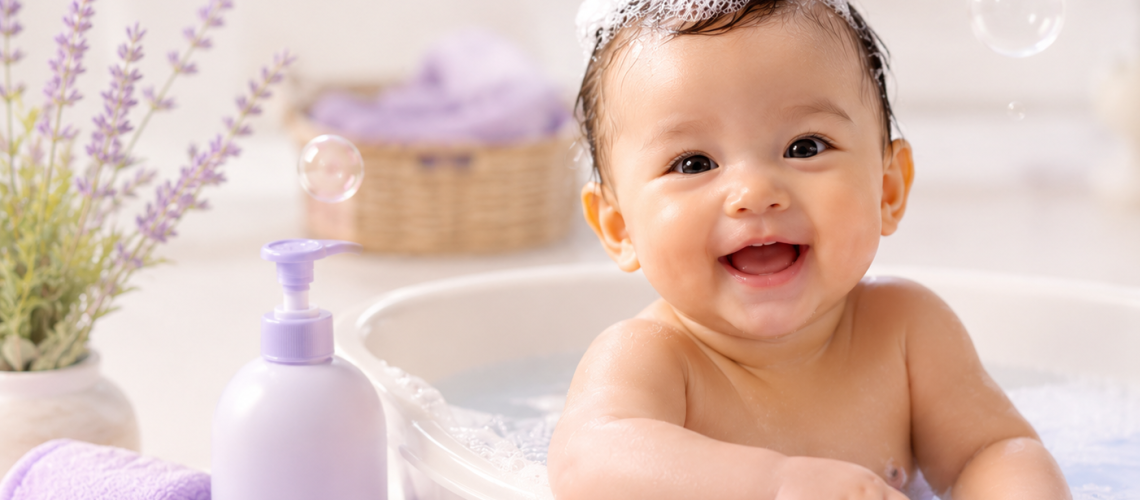
There is something unforgettable about a baby after bath time. That soft, clean smell. The fuzzy hair. The warm towel burrito moment. The sleepy little stretch afterward like they just came back from a spa day they absolutely did not pay for.
But behind that sweet little scene is a truth every parent learns fast: baby bath time is not always calm, simple, or picture-perfect. Sometimes there is crying. Sometimes the washcloth gets kicked across the room. Sometimes the baby loves the water one night and acts personally offended by it the next. And sometimes you stand there holding a tiny bottle of baby wash wondering if you are doing too much, not enough, or somehow both.
Bathing and skin care are not just about keeping a baby clean. They are about comfort, routine, bonding, and protecting some of the most delicate skin in the world. Babies do not need complicated skin care routines, but they do need gentle care, smart products, and a little patience from the grown-ups learning right along with them.
Baby Skin Is Not Just Smaller Adult Skin
A baby’s skin may look soft and flawless, but it is actually still adjusting to the outside world. After months in a warm, watery environment, suddenly they are dealing with air, clothing, diapers, wipes, blankets, temperature changes, laundry detergent, and the occasional enthusiastic relative kissing their cheeks.
Baby skin is thinner and more delicate than adult skin, which means it can lose moisture more easily and become irritated faster. That is why simple, gentle care matters. The goal is not to scrub, perfume, polish, or over-treat. The goal is to support the skin’s natural barrier while keeping baby comfortable and clean.
This is also why baby bathing and skin care products should be chosen with care. Mild washes, soft cloths, gentle lotions, cozy towels, and practical bath accessories can make a huge difference. The right items do not turn bath time into a luxury event. They simply make it easier, safer, and more comfortable.
Bath Time Does Not Need to Happen Every Day
One of the biggest surprises for new parents is that babies usually do not need a full bath every single day. Unless there has been a major spit-up situation, diaper disaster, or mysterious sticky incident, a few baths per week may be enough for many babies.
In between baths, quick cleanups can handle the important areas: face, neck folds, hands, diaper area, and anywhere milk likes to hide. And milk does hide. It finds those tiny neck creases like it is moving in and signing a lease.
Over-bathing can sometimes dry out baby skin, especially if the water is too hot or the products are too harsh. A gentle routine is often better than a frequent one. Babies are not out mowing lawns or working double shifts. Most of the time, they just need regular freshness, not a deep-clean power wash.
Setting Up the Bath Zone Before You Start
A peaceful bath often begins before the baby ever touches the water. Once bath time starts, you do not want to be searching for a towel, washcloth, clean diaper, or lotion while holding a slippery little wiggle worm.
Before beginning, it helps to have everything within reach: baby wash, shampoo if needed, a soft washcloth, a towel, diaper, clean clothes, lotion or balm, and any bath support or tub insert being used. The room should feel warm enough so baby does not get chilled after the bath.
Water temperature matters, too. Warm is the goal, not hot. A baby bath thermometer can be helpful, especially in those early days when every decision feels like it carries the weight of a NASA launch. Testing the water with your wrist or elbow can also help because those areas are more sensitive than your hand.
Once the baby is in the bath, one hand should always stay close and ready. Babies are slippery, unpredictable, and surprisingly strong when they decide they would like to exit the bath immediately.
The Art of Washing a Baby Without Overdoing It
Baby bath time works best when it is gentle and simple. Start with the cleanest areas first, usually the face, then move down the body, saving the diaper area for last. A soft washcloth and warm water are often enough for the face. Around the eyes, use extra care and avoid getting soap close to them.
For the body, a mild baby wash can help clean without being too harsh. Focus on the folds: under the chin, behind the ears, under the arms, around the wrists, behind the knees, and between those tiny toes. Baby rolls are adorable, but they are also excellent at collecting lint, milk, and whatever else the day has offered.
Hair washing depends on how much hair the baby has and how oily or flaky the scalp gets. Some babies have a full head of hair that looks styled by a tiny celebrity barber. Others have a gentle little peach fuzz situation. Either way, a gentle baby shampoo or wash can be used sparingly. Rinse carefully and keep water away from the eyes as much as possible.
There is no need to scrub hard. Baby skin responds better to soft, slow care. Think of it less like cleaning a dish and more like handling a warm peach.
After the Bath: The Towel Burrito Phase
The moment after the bath is when things can go from cozy to chaotic. Babies cool down quickly, so wrapping them in a soft towel right away helps keep them comfortable. Hooded towels are popular for a reason: they help cover the head, which can make baby feel warmer and more secure.
Pat the skin dry instead of rubbing. Pay attention to folds where moisture can hang around, especially under the neck, in the diaper area, and behind the knees. Trapped moisture can sometimes lead to irritation, so drying gently but thoroughly is important.
This is also a sweet time for bonding. Some babies relax after a bath and melt into the towel like tiny royalty. Others scream like they have been betrayed by the entire household. Both reactions are normal. The more consistent the routine becomes, the more familiar it feels.
Moisturizing: Simple Is Usually Best
Not every baby needs lotion after every bath, but many benefit from a gentle moisturizer, especially if their skin tends to get dry. Applying lotion while the skin is still slightly damp can help lock in moisture.
Choose baby-friendly skin care products that are made for delicate skin. Heavy fragrance is often unnecessary and can be irritating for some babies. A simple lotion, cream, or balm can be used on dry patches, legs, arms, and other areas that need comfort.
For extra-dry spots, a thicker cream may be better than a light lotion. For drool rash around the chin or irritation from frequent wiping, a protective balm can help create a barrier. The goal is not to coat the baby like a glazed donut. A small amount, applied gently, usually does the job.
Cradle Cap, Dry Patches, and Other Normal Baby Skin Mysteries
Baby skin does strange things sometimes. Dry patches, little bumps, peeling, redness, and flaky scalp can all show up and make parents nervous. Many common baby skin issues are harmless, but they can still be frustrating.
Cradle cap, for example, often appears as flaky or crusty patches on the scalp. A gentle approach may include softening the flakes with a baby-safe oil or moisturizer, then using a soft brush to loosen them before washing. The key word is gentle. Picking at flakes or scrubbing hard can irritate the scalp.
Dry patches may improve with mild bathing habits and regular moisturizing. Diaper-area irritation may need more frequent changes, careful drying, and a barrier cream. Drool irritation can often be helped by keeping the area dry and applying a protective layer when needed.
Of course, if a rash looks severe, spreads quickly, seems painful, oozes, comes with fever, or simply worries you, it is worth checking with a pediatrician. Baby skin can be sensitive, and sometimes professional guidance is the best next step.
Making Bath Time Less of a Battle
Some babies love baths right away. Others act like bath water is a personal insult. If bath time is stressful, a few small adjustments may help.
Try bathing when the baby is fed but not overly full, tired but not exhausted, and the room is warm. Keep the bath short. Use a calm voice. A soft washcloth placed over the belly can help some babies feel warm and secure. Gentle bath toys can become useful later as babies get older and more interested in play.
Routine also helps. Bath, lotion, pajamas, feeding, story, bed — whatever pattern works for your household can become a signal that the day is winding down. Babies may not understand the schedule at first, but they often begin to recognize the rhythm.
And if a bath goes completely off the rails? End it. There is no award for forcing a perfect bath time. A quick rinse, a warm towel, and another try tomorrow is sometimes the smartest move.
Building a Practical Baby Bath and Skin Care Kit
A well-stocked baby bath area does not need to be overflowing with products. In fact, simple is better. A practical setup may include a baby tub or bath support, soft washcloths, hooded towels, gentle wash, mild shampoo if separate from the wash, baby lotion or cream, diaper balm, a soft brush or comb, and a bath thermometer.
Storage helps too. A small caddy or basket keeps everything together, which matters when your hands are wet and the baby has decided to practice full-body escape maneuvers.
As babies grow, their needs change. A newborn bath routine may be quick and careful. An older baby may splash, grab toys, kick water everywhere, and try to eat the washcloth. Bath products and accessories should grow with them, moving from newborn support and gentle basics to safe play and easy cleanup.
Clean, Cozy, and Connected
Bathing and skin care are everyday tasks, but they are also little moments of connection. A warm bath can settle a fussy evening. A soft towel can become part of a bedtime ritual. A gentle lotion massage can turn into a few quiet minutes where the world slows down.
Parents do not need a perfect routine. They need a routine that works. One that keeps baby safe, clean, moisturized, and comfortable. One that leaves room for splashes, wiggles, giggles, and the occasional bath-time protest.
At shopNbabies.com, baby bathing and skin care are about helping families care for the tiny details that matter. From bath essentials to soft towels, gentle skin care, and practical everyday helpers, the right products can make bath time smoother and more enjoyable.
Because babies may be small, but their comfort is a big deal. And sometimes, one warm bath, one cozy towel, and one calm little routine can make the whole evening feel better.